Sound & Signal
The dial tone and the reassurance of an open line
Lifting a handset produced a sound confirming the network was ready for you. Nothing in modern communication offers that confirmation before you act.
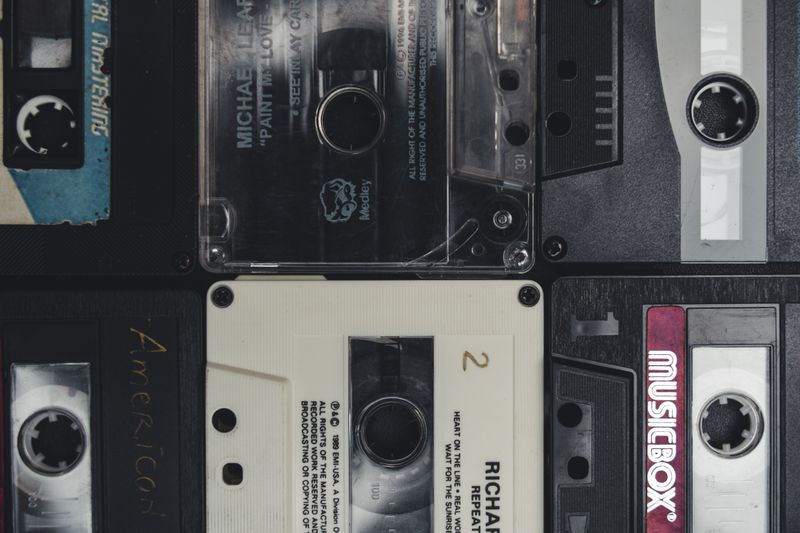
This looks at the dial tone from the practical end — what holds up once conditions stop being ideal.
What holds up in practice
- The dial tone confirmed the exchange had allocated resources to your call.
- It was a designed sound, standardised and different between countries.
- Modern systems confirm nothing until after the attempt has been made.
The tone was a handshake made audible
Lifting the handset signalled the exchange, which allocated equipment to that line and then played a tone to say it was ready. The sound therefore proved three things at once: the line worked, the exchange responded, and capacity was available for a call.
Its absence was equally informative, since a dead handset meant a fault somewhere between the house and the exchange. That diagnostic value was available to anybody without any technical knowledge, which is a remarkable property for a network signal. Very few systems since have offered a single sound confirming that the infrastructure is present and prepared to serve you.
It was engineered rather than chosen
Dial tones are combinations of specific frequencies, selected to be distinguishable from speech and from other network tones. Different countries adopted different combinations and cadences, so the sound of picking up a telephone varies internationally.
What is easy to forget is that travellers used to notice this immediately, and it is one of the small ways a foreign country announced itself. Standards bodies published these tones, along with ringing, engaged and unobtainable signals, as a complete vocabulary. Every one of those tones was a status message in a system with no screen and no other way to report itself.
Dialling into a live line changed the sequence
Because the exchange was already connected, dialling could begin the moment the tone appeared and the digits were acted on immediately. Mobile and internet calling reversed this by collecting the whole number first and then attempting a connection. That reversal is why a mistyped number can be corrected before dialling now and could not be corrected then.
It also means the network gives no feedback until the attempt is made, so failure arrives after commitment rather than before. Mobile phones frequently play a synthetic dial tone anyway, which is entirely decorative and reassures people who expect it.
Silence used to mean something specific
A silent line indicated a fault, and telephone companies operated fault reporting systems built around that single symptom. Storm damage, cable faults and exchange failures all presented identically to the customer, which simplified reporting enormously.
By the end, a house with no dial tone knew immediately that it was cut off, which is not obvious with modern connections. Broadband and mobile failures are partial, intermittent and specific to services, so diagnosing them requires testing several things.
A single unambiguous indicator has been replaced by a set of symptoms that most users cannot interpret.
Powering the line mattered
Traditional telephone lines were powered from the exchange, so a handset worked during a domestic power cut. That property made the fixed telephone the reliable emergency channel and it was designed for exactly that purpose. Modern internet-based telephony depends on household power and equipment, so a power cut removes the line entirely.
Many countries have addressed this with battery backup requirements or advice to keep a charged mobile, and the arrangements differ. Anybody relying on a landline for emergencies should check what happens to their specific service during a power failure.
Dates in this period are approximate; the change was gradual and nobody logged it.
What the tone actually gave you
It was constant feedback that the system existed, delivered before any action and requiring no interpretation whatsoever. Modern services report status through icons, bars and indicators that are ambiguous and frequently inaccurate. Signal bars in particular have no standardised meaning and vary between devices, which makes them poor as diagnostics.
The design lesson is that a single unambiguous readiness signal is worth more than a detailed one nobody trusts. The dial tone was the last time a network told the public, plainly and audibly, that it was working.
The takeaway
The tone said the network was there before you asked it for anything. Nothing has said that since.
The loss is small and cumulative, which is why it goes unremarked.
Questions readers ask
Why do mobile phones sometimes play a dial tone?
Purely for familiarity. A mobile collects the full number before attempting a connection, so there is no live line to confirm. Any tone you hear is generated by the handset itself.
Did old telephones work during power cuts?
Traditional lines were powered from the exchange, so yes, generally. Internet-based telephone services depend on household power and equipment, which is why backup arrangements and local rules on this vary.