Sound & Signal
Church bells, factory horns and the acoustic clock
Before everyone carried a clock, time was distributed through sound. The infrastructure for that is mostly silent now.
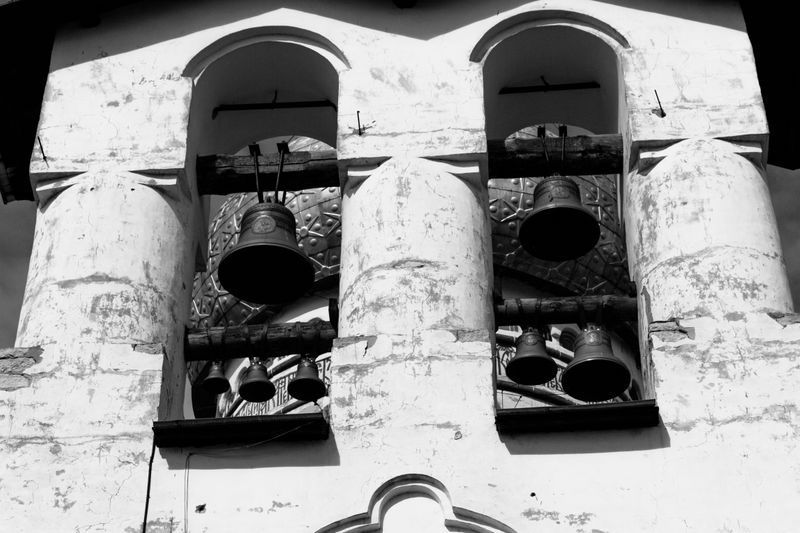
What follows is the working version of public time signals: the decisions in the order you actually meet them, with the reasoning attached.
Before you start
- Public time signals synchronised communities before personal timekeeping was universal.
- The audible range of a bell defined a practical community boundary.
- Noise regulation and shift changes silenced most of them.
Time used to arrive through the air
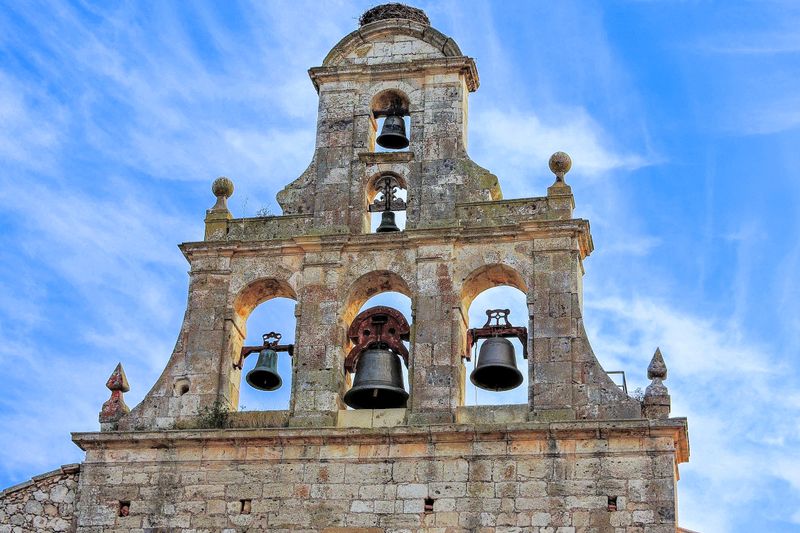
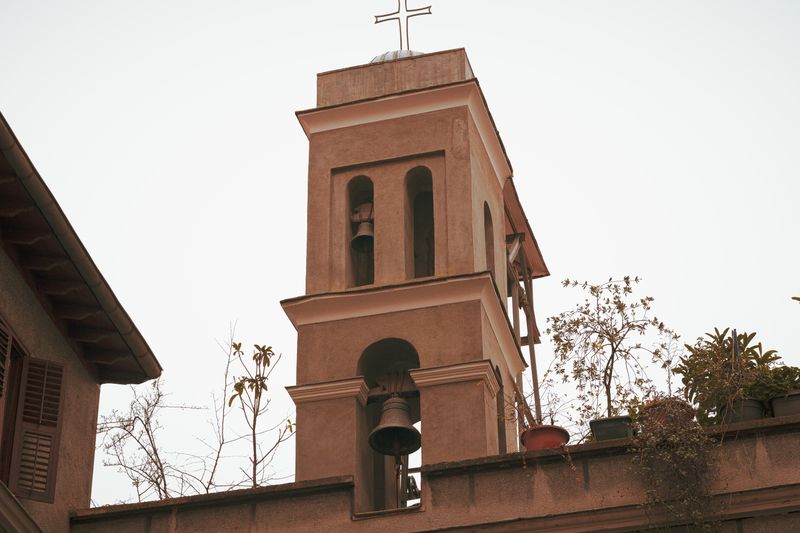
Church bells, factory horns, curfew bells and time guns distributed the hour to everybody within earshot simultaneously. That mattered enormously when personal clocks were expensive and unreliable, which was true for most people until surprisingly recently. Being within earshot was therefore a practical definition of belonging to a place.
The parish, in several traditions, was quite literally the area the bell reached.
Industrial sound was scheduling
Factory and mine horns marked shift changes and were audible across whole towns. They organised not just the workers but the households around them — meals, school, shops. When heavy industry closed, the disappearance of the horn is repeatedly described in oral histories as the moment the town changed.
For a while, the horn was also an instrument of discipline, since arriving after it stopped could cost a worker part of a shift, so the sound carried a threat that a clock on a kitchen wall never did.
Bells carried more than the hour
Different peals signalled deaths, fires, weddings, invasions and the end of wars. It was a low-bandwidth broadcast system that everybody could decode, which is a rare thing.
Much of that code has been forgotten even where the bells still ring. Parts of it were remarkably precise, with the number of strokes in a death knell indicating the age and sex of the person who had died, so a village generally knew who it had lost before anybody arrived to say so.
What silenced them
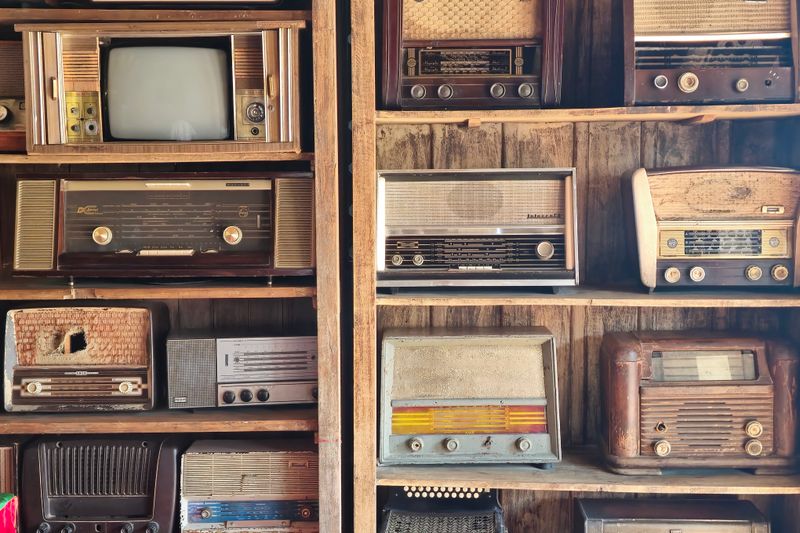
Noise complaints and residential development near churches and works accounted for a substantial share. Wristwatches, then radio time signals, then phones removed the function, leaving only the tradition. Several disputes over church bells have gone to court in recent decades, and the outcomes vary by country.
Those cases usually turn on whether a sound that predates the housing built around it acquires a right to carry on, and legal systems answer that differently, which is why an identical complaint succeeds in one country and fails in the next.
Where they still work
Alpine and Mediterranean villages retain functioning bell traditions with local meaning still intact. Some cities have revived time signals as heritage — the one o'clock gun, the noon siren — as performance rather than utility.
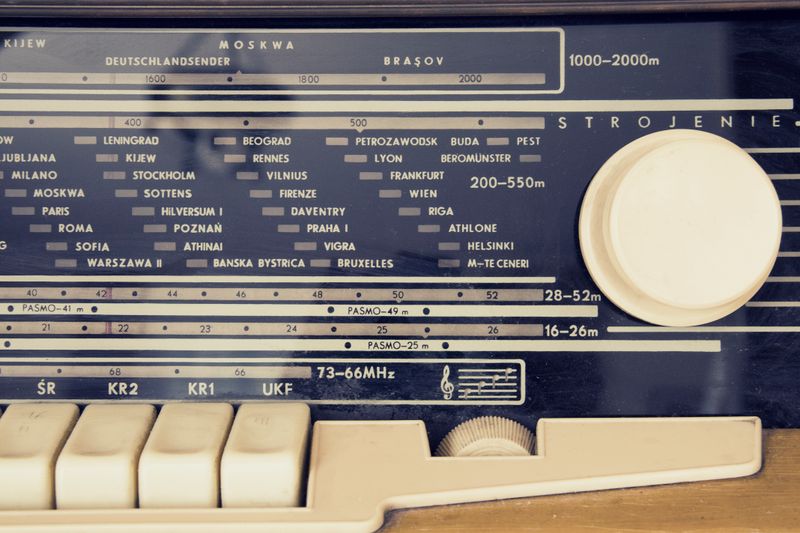
In hindsight, the distinction between a signal and a commemoration is exactly the transition being described. What keeps a living tradition going is a body of people who ring rather than a preserved bell, because the practice is a skill held collectively and it ends within one generation of nobody being taught it.
Somebody had to know the right time first
A bell only distributed the hour; the hour itself had to arrive from an observatory, by time ball, telegraph signal or an agent travelling with a regulated watch. Railways forced the standardisation, because a timetable cannot function when every town keeps its own local noon, and legal time in many countries dates from that pressure rather than from any older custom.
In hindsight, the chain ran from an astronomical measurement down to a parish rope, and every link in it introduced error that people simply lived alongside. Modern timekeeping kept the chain and hid it, so a phone displaying the second is the quiet end of the same sequence that used to finish with somebody pulling on a bell.
The takeaway
The hour used to be something you heard, and being able to hear it was what made you local.
Nobody decided to stop. It simply stopped being worth the effort.
Questions readers ask
Why do some churches still ring the hour?
Tradition, liturgical function and in some places legal protection. The timekeeping purpose has gone but the practice is often specifically defended.
Were bells really used to spread news?
Yes. Coded peals conveyed deaths, alarms and public events, and the conventions were widely understood locally, though they varied considerably from place to place.