Work
Switchboard operators and the last human layer in a network
For most of the telephone's history, connecting a call required a person. What they knew about a town was extraordinary and…
Founded 2023Bengaluru125 articlesIndependent & reader-funded
Trades, roles and daily rhythms that the economy stopped needing.
21 articles · updated August 11, 2026 · page 1 of 2
Work
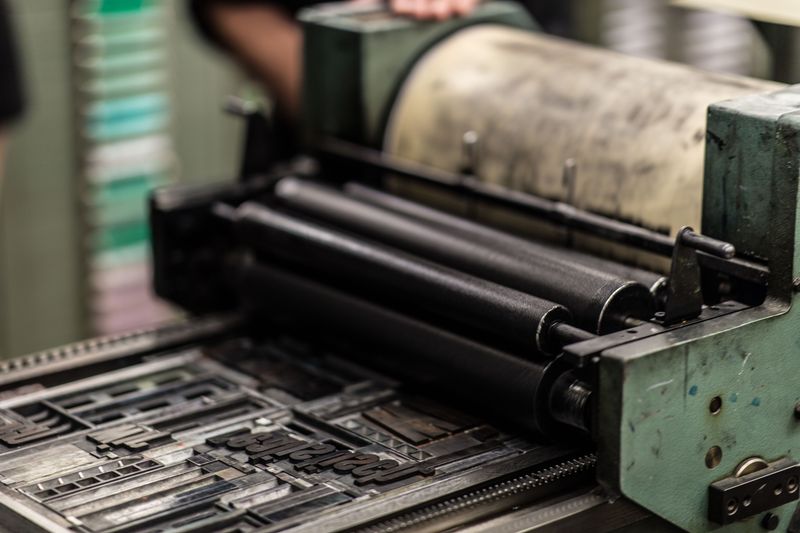
Newspaper production employed thousands of people in skilled trades that ceased to exist within about a decade.
Work
For most of the telephone's history, connecting a call required a person. What they knew about a town was extraordinary and…
Work
Documents were produced by a centralised room of typists working from dictation. The room disappeared and the work redistributed…
Work
Before affordable alarm clocks, some towns employed people to tap on bedroom windows at the right hour. The job ended when the…
Work
A daily doorstep delivery of a perishable good in returnable glass was ordinary. Refrigeration and supermarkets ended it, and…
Work
Early lifts needed a skilled operator to stop level with the floor. When automation arrived, the public had to be persuaded to ride…
Work
Every engineered object passed through a room of people producing precise drawings by hand. The room went, and so did a way of…
Work
Showing a film was a skilled live operation performed by someone in a hot room at the back. Digital distribution removed almost all…
Work
For centuries, computation was a job title. The word migrated to the machine, and the people who held it were mostly written out.
Work
Before the machine, bowling alleys employed boys to reset pins and return balls, at speed and at some risk.
Work
Self-service petrol was resisted, regulated and in some places is still prohibited. The reasons are safety, employment and habit in…
Work
Shop fascias were lettered by hand by people with brushes and no undo. Vinyl and print made signage cheap, uniform and quick to…