Sound & Signal
Hiss, crackle and the silence recordings never used to have
Every recording medium added a noise floor of its own. Digital removed it, and listeners discovered that the noise had been carrying information.

These are listed in the order worth acting on, which with the recording noise floor is not the order they are usually presented in.
What matters most
- Analogue media impose a constant background noise that cannot be fully removed.
- That noise dated a recording and signalled which medium it came from.
- Digital silence is genuinely silent, which removed a cue listeners had learned.
Every medium had its own noise
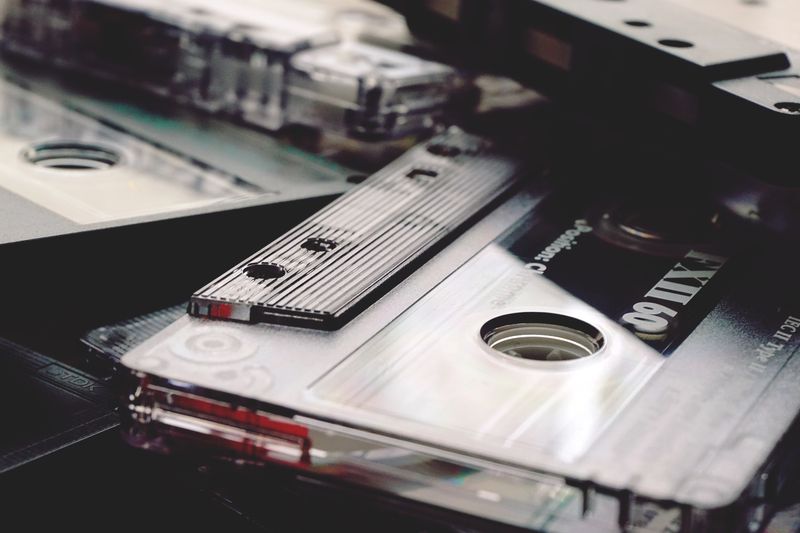
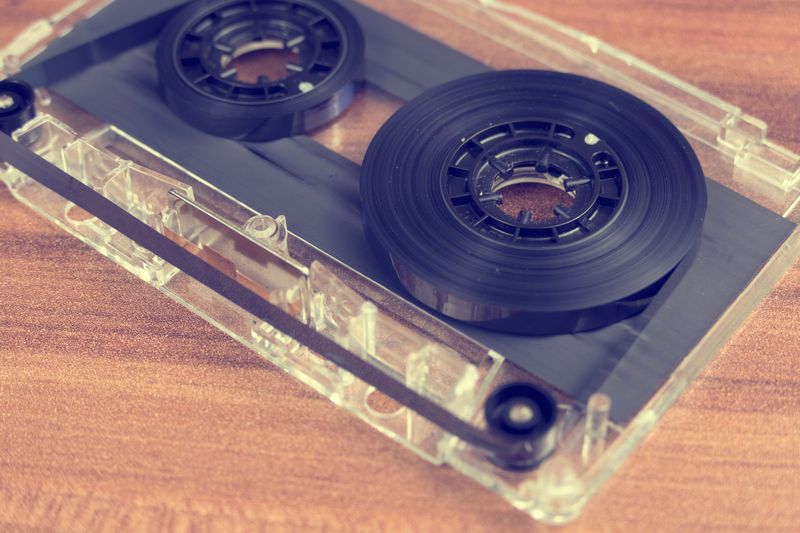
Magnetic tape produces hiss from the random arrangement of magnetic particles, which is inherent to the medium rather than a defect. Records produce surface noise from the physical contact between stylus and groove, plus any dust or damage present. Optical film soundtracks, wire recording and early broadcast chains each contributed their own characteristic textures.
Because the noise was constant and specific, an experienced listener could identify the medium within a second of playback beginning. That identification carried information about age, budget and origin that no one had to state explicitly.
Noise reduction was a running battle
Companding systems reduced tape hiss by compressing the signal during recording and expanding it on playback in a matched way. They worked well when both stages matched and produced audible artefacts when they did not, which was common outside professional use. Records were pressed on quieter compounds over time, and heavier vinyl and better mastering reduced surface noise considerably.
In truth, none of these approaches eliminated the floor, because the noise was a property of the storage rather than of the signal. Digital storage removed it entirely by storing numbers, which have no physical texture to contribute.
Silence became a problem to solve
Recording engineers found that genuinely silent passages sounded wrong to listeners accustomed to a continuous floor. Some productions deliberately add low-level noise, called dither or room tone, to prevent silence sounding like a fault.
Look closer and dither also serves a technical purpose in digital conversion, where a tiny amount of added noise reduces distortion at very low levels. Film and broadcast have always recorded room tone separately for editing, because a cut to true silence is jarring. It turns out that a small amount of noise is not a defect but part of how listeners locate a sound in a space.
The floor was doing dating work
Listeners learned to place recordings in time by their noise, texture and frequency range without knowing they were doing it. Restoration that removes noise entirely can therefore make an old recording sound uncertain rather than clean. Aggressive noise reduction also removes real signal, particularly reverberation tails and quiet detail at the edges of the sound.
Archival practice generally favours preserving an unprocessed transfer alongside any cleaned version for this reason. That principle applies to photographs and film as well, and it is regularly ignored in favour of the more pleasing copy.
What the replacement does differently
Digital audio has a noise floor determined by the number of bits used rather than by any physical material. At normal listening levels that floor is inaudible, so the medium contributes essentially nothing to what is heard.
By the end, compression for streaming introduces different artefacts, which are perceptual rather than continuous and behave nothing like hiss. Those artefacts are harder to describe and much harder to notice, which means fewer listeners can identify them at all. The audible signature of a format has become subtle enough that identifying a source by ear is now genuinely difficult.
The record here is thinner than it should be, and much of it was never written down.
Why the noise came back deliberately
Producers add tape saturation, vinyl crackle and simulated media noise to recordings that were never near either medium. Part of that is aesthetic and part is functional, since gentle saturation changes transients in ways many listeners prefer.
The crackle specifically works as a signal about genre and intent rather than as any improvement in sound quality. A texture that was once an unavoidable defect has become a deliberate marker, which is a common ending for a limitation. The noise was never the point, and it turned out to be carrying more of the meaning than anybody had noticed.
Everything above, in order of what to do first
- Every medium had its own noise. Magnetic tape produces hiss from the random arrangement of magnetic particles, which is inherent to the medium rather than a defect.
- Noise reduction was a running battle. Companding systems reduced tape hiss by compressing the signal during recording and expanding it on playback in a matched way.
- Silence became a problem to solve. Recording engineers found that genuinely silent passages sounded wrong to listeners accustomed to a continuous floor.
- The floor was doing dating work. Listeners learned to place recordings in time by their noise, texture and frequency range without knowing they were doing it.
- What the replacement does differently. Digital audio has a noise floor determined by the number of bits used rather than by any physical material.
- Why the noise came back deliberately. Producers add tape saturation, vinyl crackle and simulated media noise to recordings that were never near either medium.
The takeaway
The hiss was never part of the music. It was part of how you knew where the music had come from.
What replaced it works. That is not the same as it being nothing.
Questions readers ask
Why do some new recordings include vinyl crackle?
It is added deliberately as a signal about genre and intent, not as an improvement in sound. A texture that was once an unavoidable defect has become a stylistic marker, which is a common fate for technical limitations.
Does noise reduction damage old recordings?
It can. Aggressive processing removes real signal alongside the noise, particularly quiet detail and reverberation tails. Archival practice generally keeps an unprocessed transfer alongside any cleaned-up version.