Rituals
The second post and the day that had two deliveries in it
Mail arrived more than once a day in many places, which made the post a rhythm rather than an event. Volume and cost ended it.
This looks at multiple daily mail deliveries from the practical end — what holds up once conditions stop being ideal.
What holds up in practice
- Multiple daily deliveries were normal in many urban postal systems.
- Same-day correspondence was possible within a city.
- Falling letter volumes and rising costs reduced deliveries to one or none daily.
Cities once ran several deliveries a day
Urban postal services in a number of countries operated multiple daily rounds, in some periods and cities considerably more than two. That made same-day correspondence within a city genuinely possible: a note in the morning could receive a reply by evening.
The frequency was viable because letter volumes were enormous and labour was comparatively cheap. The exact number of daily deliveries varied hugely by city and era, so specific claims should be checked locally.
Correspondence behaved differently at that speed
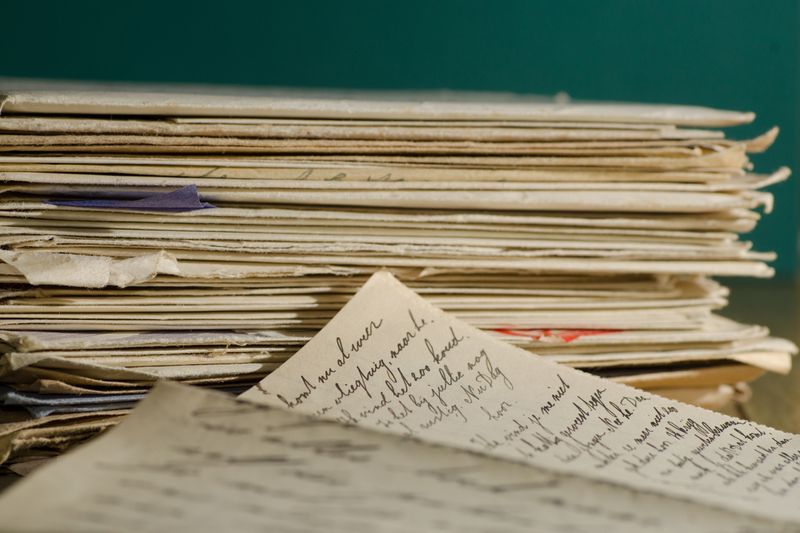
When a reply could arrive the same day, letters were used for arrangements, invitations and short practical exchanges rather than only for considered writing. Surviving correspondence from such periods includes a great deal of material that reads more like messaging than like letters. The genre we now think of as letter writing was partly a product of slower delivery, not of a different kind of person.
Medium speed shapes register far more than most accounts of letter writing admit.
The economics inverted
Letter volumes have fallen steeply while the cost of delivering to every address has not, since the route is the cost regardless of how much is on it. That produces the central problem of modern postal economics: a fixed network carrying a shrinking payload. Reductions in delivery frequency are the obvious lever, and several countries have moved to alternate-day or reduced-day delivery for non-priority mail.
In hindsight, the universal service obligation is where this argument is being had, country by country.
The daily arrival structured a household
A delivery at a roughly known hour gave the day a marker, and waiting for the post was a real and widespread daily activity. Reduced and less predictable delivery times have removed the marker even where a daily service remains. Parcel delivery arrives at unpredictable times and is announced by notification, which is convenient and not a rhythm.
A regular external event that everyone in a street experienced at once is now genuinely rare.
What arrives now is different in kind
Personal letters have largely gone, leaving official correspondence, marketing and parcels. That changes the emotional register of post from anticipation to mild apprehension, since most letters now are from institutions. The pleasure of receiving a personal letter is partly scarcity, which is why sending one now has more impact than it did.
The medium became more powerful as it became less used, which is unusual.
Dates in this period are approximate; the change was gradual and nobody logged it.
Speed came back through a different network
Same-day delivery within cities has returned commercially, for goods rather than correspondence, using couriers rather than the postal service. The logistical capability is therefore not lost; it has been rebuilt around parcels and priced accordingly. What has not returned is a universal, cheap, same-day service available to everyone for a note.
Capability follows the money, and the money moved from letters to boxes.
The takeaway
A letter in the morning and a reply by evening was ordinary, and it required nothing but a lot of people walking.
Nobody decided to stop. It simply stopped being worth the effort.
Questions readers ask
Was there really more than one post a day?
Yes, multiple daily deliveries were common in many urban postal systems historically, though the number varied widely by city and period. Same-day correspondence within a city was possible.
Why is delivery frequency being reduced?
Letter volumes have fallen sharply while the cost of covering every address has not. Several countries have reduced delivery days for non-priority mail as a result.