Memory
The School Report And The Record Somebody Kept Of You
Handwritten school reports were brief, subjective and permanent, describing character as much as attainment, and their replacement by standardised data changed what survives about a childhood.

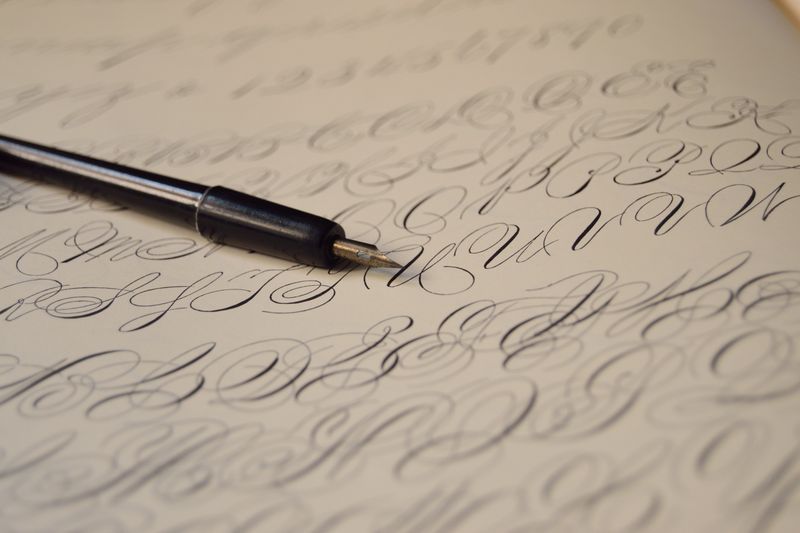
A school report was once a short handwritten judgement passed on a child by an adult who taught them. It is a strange document to read decades later.
The format forced brevity and opinion
A single line per subject leaves room for a grade and a remark, so the teacher had to compress a term into a phrase.
Compression of that kind produces character judgement rather than description. Remarks about effort, attitude and reliability appear because they are what fits.
Writing by hand for every pupil also meant formulaic phrases recurred, which is why certain remarks appear across entire generations of reports.
There was no appeal and no context
The report went home as a completed statement. Parents received a conclusion without the evidence behind it and had limited means of questioning it.
Teachers wrote knowing the document would be read aloud in households and would sometimes have consequences, which shaped how frankly they expressed themselves.
Because the record was singular, one teacher's view of a child could stand as the official account of a whole year.
They were kept when nothing else was
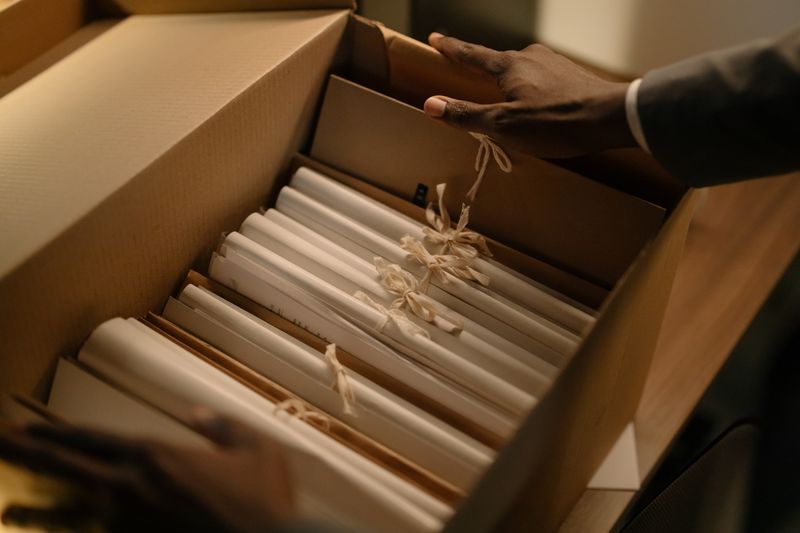
Reports are small, dated, official-looking and easy to file, which is why they survive in households that kept almost nothing else about a childhood.
They also arrive annually, so a run of them forms a series covering a decade, which very few other documents about a child do.
The result is that a person's childhood is often preserved through the opinions of adults rather than through anything the child produced or said.
What standardisation changed
Reports built from grades, levels and attainment bands are more consistent, more comparable and far more useful for tracking progress across a cohort.
They also describe attainment rather than a person. A row of levels tells you about performance against criteria and almost nothing about what the child was like.
Comment banks completed the shift, since selecting a phrase from a list removes the individual voice that made the older documents readable at all.
The record has moved and multiplied
Schools now hold far more information about a pupil, gathered continuously and stored in systems rather than sent home once a term.
That material is more complete and less likely to reach the family as an artefact. There is more record and less of it in a drawer at home.
Retention policies also mean much of it is deleted after a period, so the abundant modern record may leave less behind than the single handwritten sheet did.
Questions readers ask
How can I date an old family photograph?
Combine physical evidence — paper type, border style, print size, any processor markings — with content clues such as clothing, spectacles, vehicles and signage. Multiple independent indicators are far more reliable than one.
Why do shared digital photos lose their date?
Many platforms strip metadata when images are uploaded or re-saved, and screenshots discard it entirely. The circulating copy frequently carries no reliable date information at all.