Memory
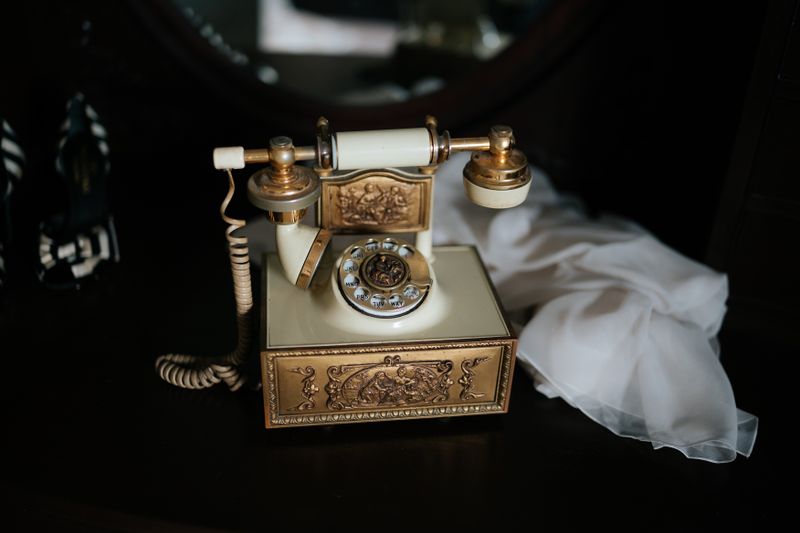
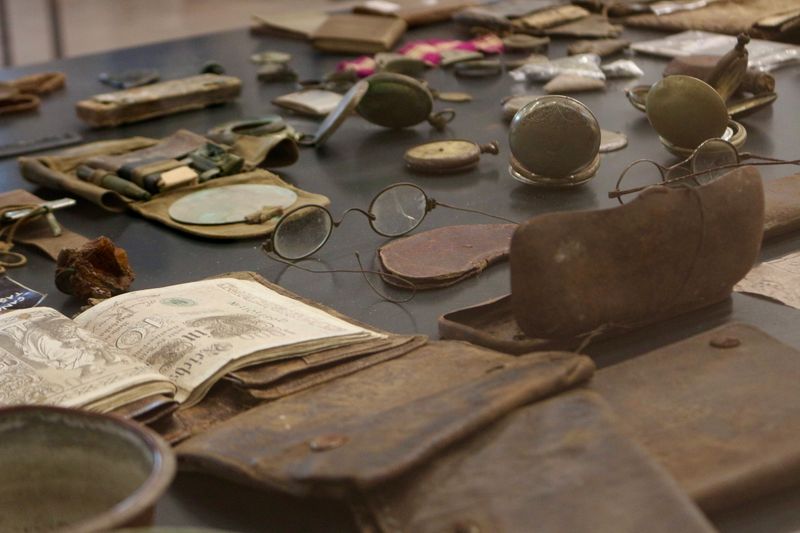
Nostalgia is not what it used to be, and it is measurable
The word once described an illness. Its journey to a marketing category is short, documented and slightly alarming.
Founded 2023Bengaluru125 articlesIndependent & reader-funded
Contributing writer, What People Miss
Lucienne writes about objects, obsolescence and the design decisions that outlive their products.
Contact Lucienne through our contact page — mark your message for their attention and it will be passed on.
Memory
The word once described an illness. Its journey to a marketing category is short, documented and slightly alarming.
Objects
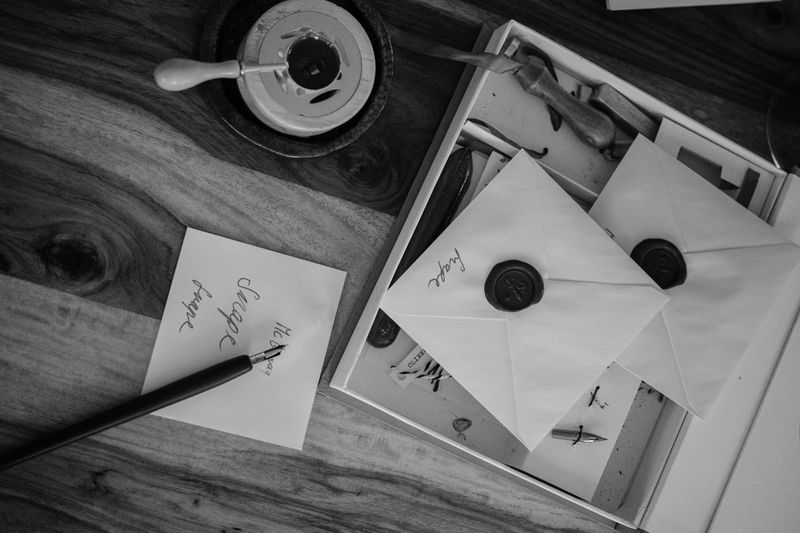
Before copying was cheap, a duplicate existed only if someone chose to make it at the moment of writing. That changed what…
Objects
Every roof carried a metal arrow pointing at a transmitter. You could read a region's television geography by looking up.
Objects
A compilation cassette cost the length of the music to make. That real-time expense was the whole message.
Objects
A cheque took days to clear, and that delay was doing real work. Instant payment removed the buffer along with the wait.
Objects
Smoking was so ordinary that buildings, furniture and aircraft were designed around it. The reversal happened fast enough to watch.
Objects
Every few years you transcribed your contacts into a new book, and that transcription was an audit of who was still in your life.
Objects
A household bought a fixed version of everything known, and it aged in the room. Continuous editing fixed that and created a…
Memory
Vivid memories of where you were during a major event feel exact and are frequently inaccurate, which is one of the…
Objects
For most of the last century a teacher could think aloud in ink on a lit sheet of acetate. The slide deck that replaced it arrives…
Objects
A till slip was a private, unlinked record of a purchase that existed only where you put it. What replaced it is neither private…
Objects
Reading used to leave physical traces: a marker, a spine crease, a folded corner. Those traces were a record of attention that…
Memory
Assembling photographs into a book meant selecting, ordering and discarding. Nothing in a phone requires anybody to make those…
Memory
Books used to carry evidence of who had held them. That evidence made objects traceable in a way that files and licences are not.
Memory
Local reporting was the only systematic account of ordinary places. Where it thinned, the record of those places thinned with it.