Memory
The Address That No Longer Exists In The Postal System
Renumbering, redevelopment and postcode reorganisation quietly delete addresses, which severs the link between a document, a database and a place that people still remember living.

Addresses are administrative objects and they can be abolished. A place can continue to exist physically while the address describing it is deleted from every system that matters.
Addresses are assigned rather than inherent
Street names and numbers are allocated by an authority, usually a council, and can be changed for reasons that have nothing to do with the buildings themselves.
Renumbering happens when a street is extended, when infill developments create gaps, or when an inconsistent historic sequence is rationalised.
Renaming happens for clarity, for commemoration, or because two similar names in one district cause repeated confusion for services that need to find people quickly.
Redevelopment removes them wholesale
Clearing an area of terraced housing for a new estate deletes every address on it. The replacement scheme brings new names that follow a different logic entirely.
Blocks of flats compound this by replacing many ground-level addresses with a single building and internal numbering that no earlier record anticipated.
The consequence is that a family's former home may be unreachable even when the land is unchanged, because nothing in the current system corresponds to what they remember.
Postal reorganisation created a second layer
Postcodes and similar systems were designed for sorting efficiency rather than for describing places, and they are periodically restructured as delivery patterns change.
A code can therefore be retired or reassigned, which breaks any record that used it as an identifier for somewhere specific.
Because so many databases treat the code as authoritative, an address that fails validation begins to be treated as though it never existed.
The practical consequences arrive later
Anyone tracing a family, verifying a document or investigating a property encounters addresses that cannot be located in any current source.
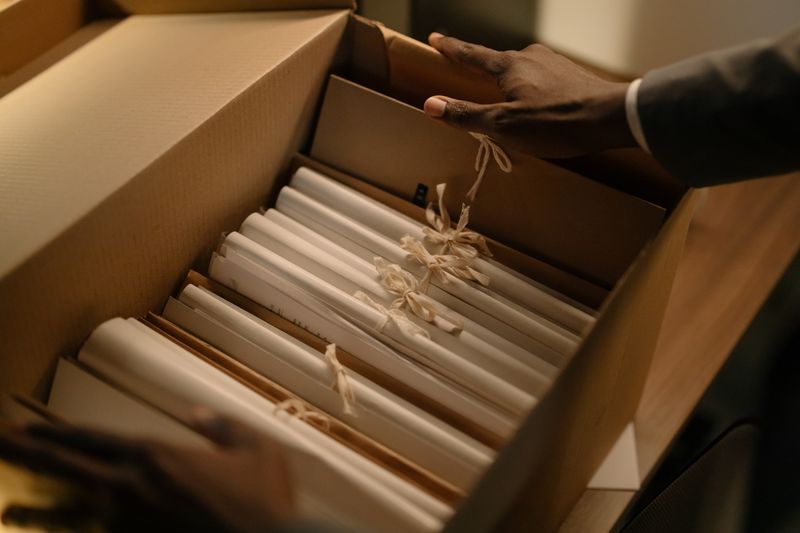
Older maps, electoral registers and street directories become necessary, since they record the sequence that was in use at the time.
Local authorities usually retain records of changes, though these are held unevenly and are not always digitised or easy for the public to search.
Why people keep using the old name anyway
Residents frequently continue to use a former street name or district for years, because addresses function socially long after they stop functioning administratively.
That produces a gap between the official record and local usage, which is one reason directions given by neighbours sometimes fail entirely for a visitor with a map.
The remembered address is the durable one. It persists in conversation and in family accounts long after every system that once recognised it has moved on.
Questions readers ask
How can I date an old family photograph?
Combine physical evidence — paper type, border style, print size, any processor markings — with content clues such as clothing, spectacles, vehicles and signage. Multiple independent indicators are far more reliable than one.
Why do shared digital photos lose their date?
Many platforms strip metadata when images are uploaded or re-saved, and screenshots discard it entirely. The circulating copy frequently carries no reliable date information at all.