Memory
Handwriting, note-taking and what the hand was doing for the head
Writing by hand is slower than typing, and that slowness appears to be doing something useful. The evidence is real and narrower than the headlines.

Most explanations of handwriting stop at the point where it starts to matter. This one carries on.
The short version
- Handwriting is slower, which forces summarising rather than transcribing.
- Studies have generally favoured longhand notes for conceptual understanding.
- Replication has been mixed, so the effect should be stated cautiously.
Slowness forces selection
Most people type considerably faster than they write by hand, which makes verbatim transcription possible on a keyboard and impossible with a pen. Writing by hand therefore requires deciding what matters and compressing it, which is an act of processing rather than recording. The proposed mechanism for any advantage is that compression is where the understanding happens.
If that is right, the benefit comes from the constraint and not from the pen.
The research is suggestive and contested
Studies comparing longhand and laptop note-taking have generally found advantages for handwriting on conceptual questions rather than factual recall. Replication attempts have produced mixed results, and some have failed to reproduce the effect at the reported size. The finding should therefore be described as plausible and unsettled rather than established.
For a while, this is a case where a single well-publicised result travelled much further than the subsequent literature.
Typing is better at several things
Keyboards are faster, searchable, editable, shareable, legible and accessible to people for whom handwriting is painful or impossible. For anyone with a motor impairment, dyslexia or arthritis, typing is not a convenience but a requirement. Any argument for handwriting that ignores accessibility is making a recommendation that excludes people.
Look closer and the useful framing is which tool suits which task, not which is better.
Letter formation and reading may be linked
Research in early literacy has generally found associations between handwriting practice and letter recognition in young children. Proposed mechanisms involve motor memory contributing to visual recognition, and the evidence is stronger here than for adult note-taking. Several education systems have reduced handwriting instruction and some have reversed that decision.
This is an active policy area where the research is still developing.
Cursive is a separate question
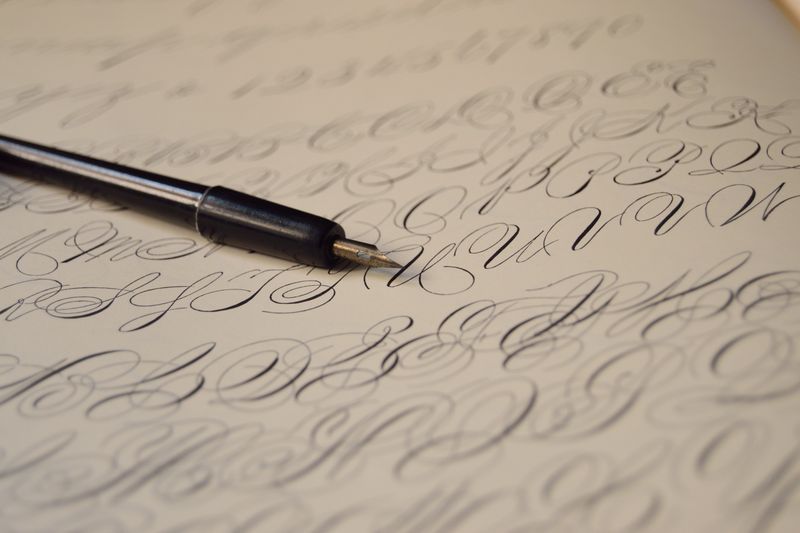
Joined-up writing was taught for speed with a dip or fountain pen and is a different issue from handwriting generally. Its removal from curricula in various places prompted arguments about reading historical documents, which is a genuine if narrow concern.
In truth, archivists and genealogists note that reading older handwriting is a distinct learned skill regardless of whether you can produce it. Being able to read a hand and being able to write in it are not the same competence.
Dates in this period are approximate; the change was gradual and nobody logged it.
The handwritten record is thinning
Diaries, marginalia, shopping lists, letters and postcards created an enormous quantity of ordinary handwritten material that historians rely on. That output has fallen sharply, and what replaces it is in accounts and formats with much poorer survival prospects. Handwriting also carries identity, mood, haste and physical condition in ways typed text does not.
What is easy to forget is that a signature, a shaky line or a crossed-out word contains information no digital equivalent preserves.
The takeaway
The pen was never magic. It was just too slow to let you avoid deciding what mattered.
Nobody decided to stop. It simply stopped being worth the effort.
Questions readers ask
Is handwriting notes better than typing them?
Studies have generally favoured longhand for conceptual understanding, likely because slower writing forces summarising. Replication has been mixed, so the effect is plausible rather than settled.
Does it matter that children learn less handwriting?
Evidence linking handwriting practice to early letter recognition is reasonably consistent. Broader claims about cognitive harm from reduced handwriting are not well supported.