Sound & Signal
Whistling And The Sound People Made While Working
Whistling was common where work was manual, repetitive and unamplified, and it faded as machinery, open-plan offices and personal headphones each removed a condition it depended on.

Whistling was once an ordinary sound in workshops, streets and stairwells. Its decline is less a change in manners than a change in the conditions that made it possible.
It suited work that occupied the hands
Manual tasks leave the mouth free and the mind partly unoccupied, which is precisely the situation in which people produce sound without deciding to.
Repetition helps. Work with a rhythm invites something to accompany it, and whistling requires no instrument, no preparation and no interruption of the task.
It also served as a low-grade signal of presence. A whistling worker was audibly somewhere in the building, which mattered in premises where people were spread out.
Recorded music was not yet portable
Before radios were common in workplaces, any music present had to be made. Whistling and singing were the available means, and both were widespread as a result.
Popular songs spread partly through being whistled, which favoured melodies that worked without accompaniment or words. A tune had to survive one person reproducing it badly.
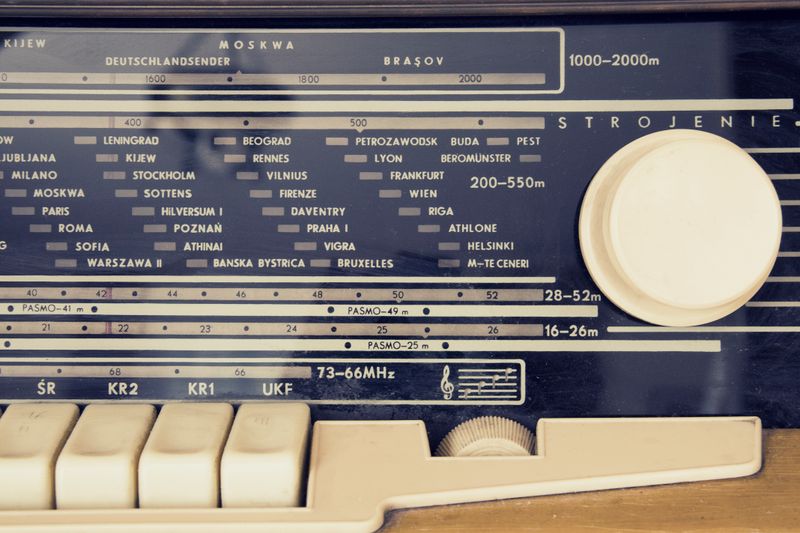
Workplace radio then replaced the function while keeping the sociability, because everybody heard the same broadcast and could comment on it.
Machinery and open plan removed the space for it
Loud plant makes whistling pointless, since it cannot be heard. Quiet offices make it intrusive, since everybody can hear it and nobody chose to.
Open-plan layouts sharpened that second problem considerably. Sound produced in a shared room without partitions arrives at dozens of people who are concentrating on something else.
Norms adjusted accordingly. What reads as cheerful in a workshop reads as inconsiderate in an office, and the same person may do it in one place and not the other.
Headphones completed the change
Personal listening supplies music without producing any sound others can hear, which meets the same need with none of the social cost.
It also removes the shared soundtrack. A room in which everybody is listening to something different has no common material to whistle even if anybody wanted to.
The exchange is straightforward: better music, chosen individually, in return for a workplace that is quieter and less audibly inhabited.
Where it survives
Whistling persists in outdoor and solitary work, in trades where hands are busy and hearing is unimpeded, and among people working alone at home.
It also survives as signalling rather than music: calling a dog, attracting attention across a distance, or warning somebody at a range where speech would not carry.
Those uses are older than the musical one and will probably outlast it, because no device has replaced a sound a person can make instantly with nothing in their hands.
Questions readers ask
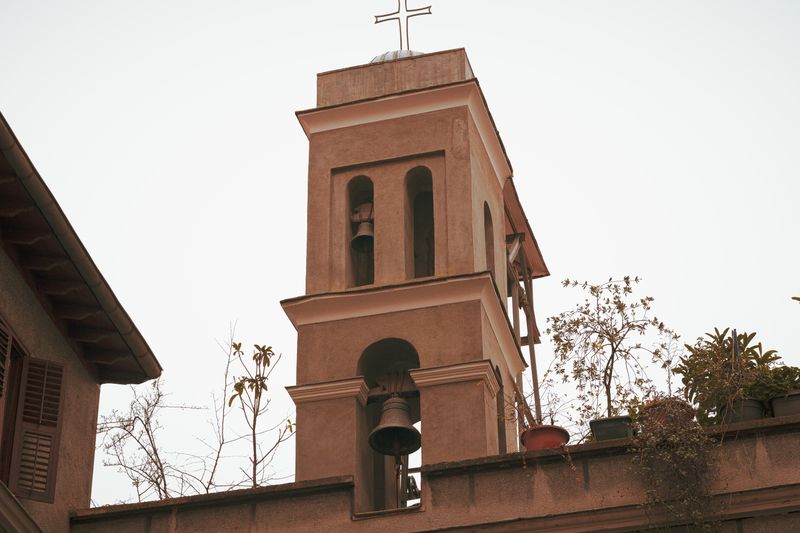
Why do some churches still ring the hour?
Tradition, liturgical function and in some places legal protection. The timekeeping purpose has gone but the practice is often specifically defended.
Were bells really used to spread news?
Yes. Coded peals conveyed deaths, alarms and public events, and the conventions were widely understood locally, though they varied considerably from place to place.