Sound & Signal
The Pager And The Message That Could Only Say Come Back
Pagers carried almost no information, which made them fast, reliable and cheap to run, and those same properties keep them in hospitals long after phones replaced them elsewhere.

A pager could tell you almost nothing. That poverty of content was not a limitation to be overcome but the reason the system worked as well as it did.
Almost no information had to travel
Early pagers delivered a tone and nothing else. The recipient knew only that they were wanted, and had to find a telephone to discover by whom and about what.
Numeric models added a callback number, which is still only a few digits. Even text pagers carried a line or two rather than a conversation.
Because the payload was tiny, a transmission occupied the channel for a fraction of a second. Enormous numbers of messages could be handled by a modest amount of equipment.
One-way transmission gave extraordinary reach
A pager receives and never transmits, so it needs no power for sending and no negotiation with a network. It simply listens on a frequency.
That allowed high-power transmitters to blanket a wide area, reaching inside buildings and basements where a device attempting a two-way conversation would fail.
Battery life followed from the same design. A receiver drawing little current runs for weeks, which matters for a device carried by somebody on call.
Coverage failure looks different from phone failure
A mobile phone must maintain a link and hand over between cells, all of which can break. A paging transmitter broadcasting over a region has far fewer points of failure.
Networks also degrade differently under load. When many people use phones at once, capacity is exhausted, whereas a paging broadcast is unaffected by how many devices are listening.
That difference is why paging has persisted for emergency services and hospitals, where a message must arrive during exactly the events that overwhelm public networks.
The etiquette the device imposed
Being paged meant finding a phone, which introduced a delay and a decision. The recipient chose when and from where to respond rather than being reachable instantly.
Messages were also necessarily brief, so senders had to decide whether something was worth a summons at all. A device that can only interrupt encourages restraint about interrupting.
The distinction between being contacted and being available was therefore preserved by the technology, which is exactly what later devices removed.
Why hospitals kept them
Clinical paging survives because reliability, building penetration and simplicity outweigh richness of content when the message is that somebody is needed immediately.
Replacement programmes have run repeatedly, usually toward secure messaging on phones, and they encounter the same obstacles: coverage inside old buildings, battery life and the cost of guaranteeing delivery.
The pager's weakness turns out to be its case for existing. A device that does one thing has very little that can go wrong with it.
Questions readers ask
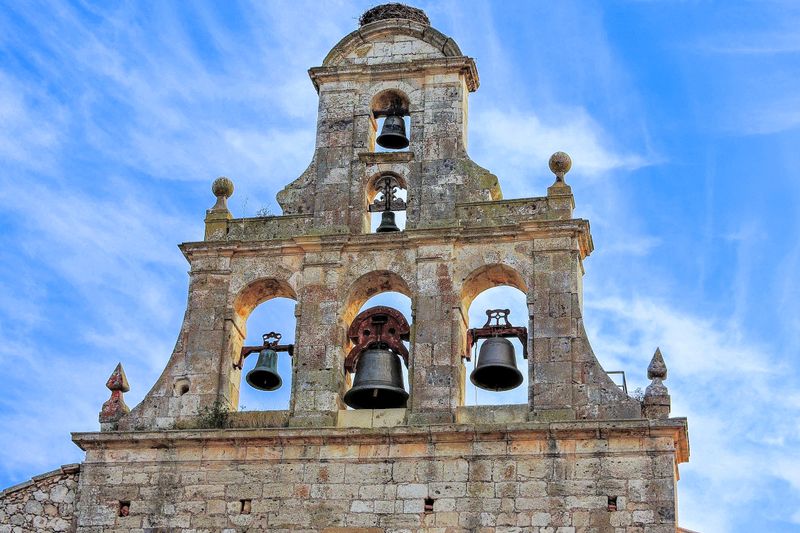
Why do some churches still ring the hour?
Tradition, liturgical function and in some places legal protection. The timekeeping purpose has gone but the practice is often specifically defended.
Were bells really used to spread news?
Yes. Coded peals conveyed deaths, alarms and public events, and the conventions were widely understood locally, though they varied considerably from place to place.