Sound & Signal
The Marching Band On Friday Night And The Sound That Located A Town
A high school band practicing and playing was audible across a whole community, giving a town an acoustic marker for the season and the week.

In many American towns, the loudest recurring sound of autumn was a school band. It was audible far beyond the field and it marked both the season and the day of the week.
The instrumentation was built to travel outdoors
Marching ensembles are weighted toward brass and percussion because those instruments project without amplification across a field and into a set of bleachers.
Strings and most quiet instruments cannot do this, which is why they are absent. The instrument list is a consequence of outdoor acoustics rather than of musical preference.
The same design that fills a stadium spills past it. A sound engineered to carry two hundred yards does not stop politely at the fence.
Practice happened in public by necessity
A band that performs in formation must rehearse in formation, which requires a field. Fields are outdoors, so rehearsal was audible to every household within range.
Weeks of late-summer practice therefore functioned as a public countdown. Neighborhoods heard the same passages repeated and knew the season was approaching.
The repetition was itself informative. People could hear a piece improve over weeks, which is a rare thing to observe from a distance without attending anything.
Friday night gave the week a fixed edge
Games clustered on one evening, which meant the sound arrived on schedule. A town could hear which night it was without checking anything.
That regularity mattered in places with few other shared markers. The band, the crowd noise and the lights over the field located the town in the week.
People with no connection to the school still used the signal. A retiree three streets away knew it was Friday in October by sound alone.
The band supplied the crowd's shared voice
Stands do not spontaneously sing together. A band provides the cue, the pitch and the timing, which is what allows a large group to make one sound.
Recorded music through a public address system does the same job in a different way, but it does not require anyone present to produce it.
The distinction is participation. A crowd responding to live players is doing something with them; a crowd hearing a track is being played at.
Funding pressure changes the volume
Music programs compete for school budgets against many other claims, and instrument inventories and travel are expensive. Program size follows funding closely.
Smaller ensembles carry less far. A band that halves in size does not halve in audibility, but the acoustic footprint over a town shrinks noticeably.
Where programs end entirely, the town loses a seasonal sound it never voted on and rarely misses aloud. Its absence is usually noticed as a general quiet rather than as a specific loss.
Questions readers ask
Why do some churches still ring the hour?
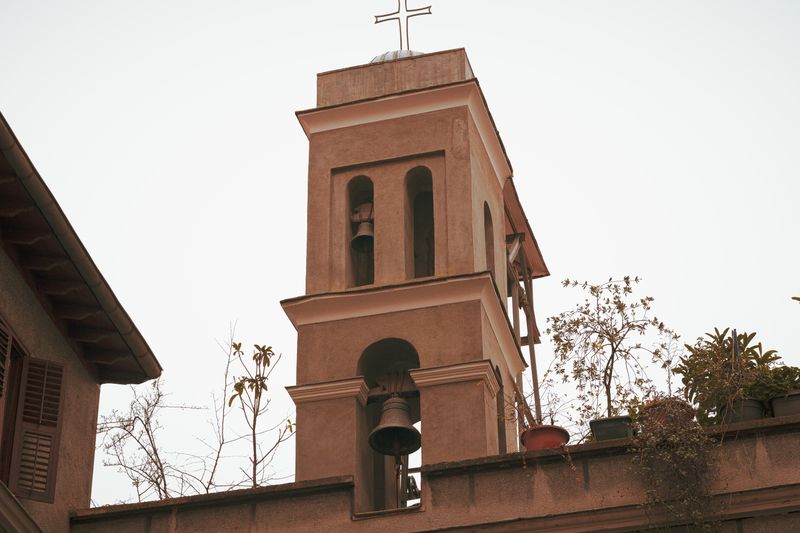
Tradition, liturgical function and in some places legal protection. The timekeeping purpose has gone but the practice is often specifically defended.
Were bells really used to spread news?
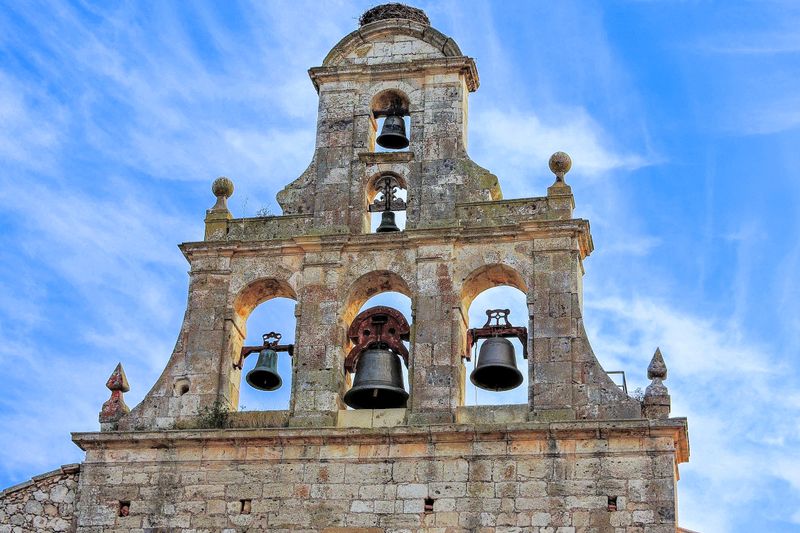
Yes. Coded peals conveyed deaths, alarms and public events, and the conventions were widely understood locally, though they varied considerably from place to place.