Sound & Signal
The CB Radio And Strangers Who Shared A Channel
Citizens band radio put drivers on an open frequency with everyone nearby, producing a form of anonymous local conversation with no addressing and no record.

Citizens band radio let anyone within a few miles talk to everyone else within a few miles. There were no accounts, no directory and no way to call a specific person.
Everything was broadcast, nothing was addressed
A transmission went to every radio tuned to that channel in range. Reaching one person meant saying their handle aloud and hoping they were listening.
That made every exchange semi-public. Bystanders heard both halves, and joining a conversation required nothing but keying a microphone.
The architecture produced a specific social texture. Conversations were short, overlapping and open, closer to a room than to a phone call.
Only one person could talk at a time
The system was half duplex: transmitting blocked receiving. Two people speaking at once produced interference and neither was understood.
Users therefore developed protocol. Short transmissions, explicit handoffs, and verbal markers signaling that the speaker had finished and released the channel.
Those conventions were learned by listening rather than taught. A newcomer who ignored them was corrected immediately and loudly by everyone else on the channel.
Range made it inherently local
Power limits kept typical range to a few miles, which meant the people audible were people nearby, usually on the same road heading in similar directions.
That geography gave the medium its usefulness. Reports about traffic, weather and road conditions were relevant precisely because the speaker was just ahead.
The population also refreshed continuously as vehicles moved in and out of range. A channel had no fixed membership, only whoever was currently close.
Handles were identity without identification
Users adopted a handle rather than a name. It was persistent enough to be recognized and detached enough to reveal nothing.
The combination produced a working middle ground. People became familiar to each other over months without ever exchanging information that would survive off the air.
Truck drivers in particular built durable acquaintance this way, since they repeated routes and encountered the same handles at the same points.
Cell phones removed the reason and the byproduct
Once a driver could call a specific person from anywhere, the primary uses of the radio were covered better by a device that did addressing properly.
What the phone did not replace was the ambient part: hearing strangers nearby discuss conditions you were about to drive into.
Traffic applications now supply that information more accurately and without voices. The data survived and the conversation among the people generating it did not.
Questions readers ask
Why do some churches still ring the hour?
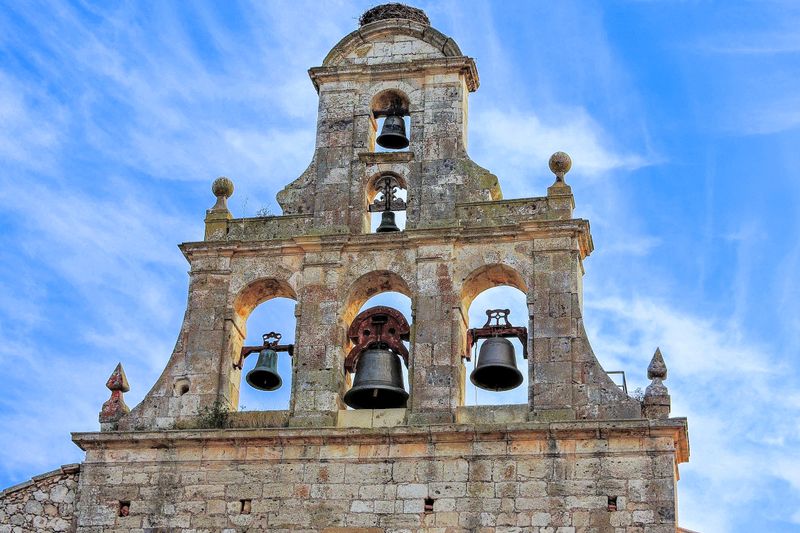
Tradition, liturgical function and in some places legal protection. The timekeeping purpose has gone but the practice is often specifically defended.
Were bells really used to spread news?
Yes. Coded peals conveyed deaths, alarms and public events, and the conventions were widely understood locally, though they varied considerably from place to place.