Rituals
The shopping list written on the back of an envelope
Planning a week of meals on paper forced a set of decisions in one sitting. Continuous availability removed the sitting and the decisions with it.

Everything here earned its place by changing an outcome. Nothing about the written shopping list is included to round the number up.
What matters most
- A written list was a plan for a week made before entering a shop.
- It defended against a store layout designed to change your mind.
- Delivery and frequent small trips removed the single planning moment.
The list was a plan disguised as a note
Writing a shopping list required deciding what would be eaten across a week, in what order, and what was already in the cupboard. That is a genuine planning exercise, and it happened at a table with no products in sight and no pressure applied.
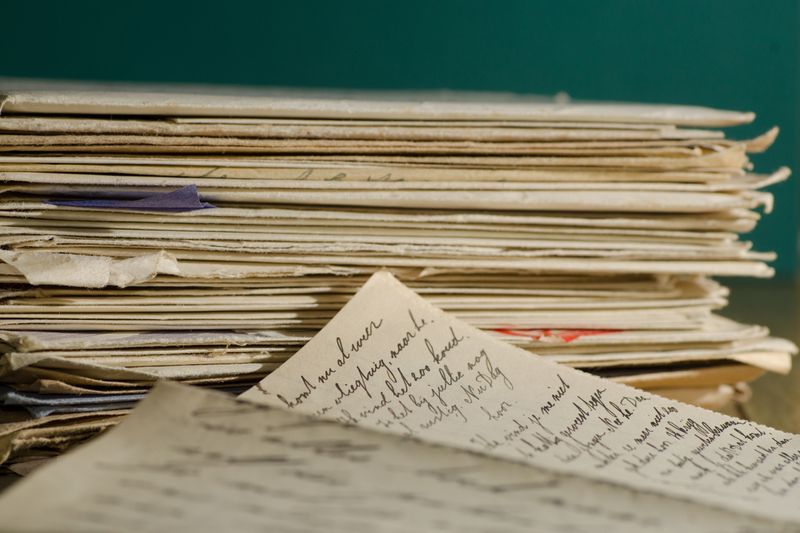
Because the shop was a single weekly trip, forgetting something carried a real cost, which made the exercise worth doing properly. Lists were written on whatever was to hand, and the back of an envelope was so standard it became a figure of speech. The paper mattered less than the moment, which was the only point in the week when the household food system was reviewed.
Shops are designed to defeat lists
Store layout, product placement, end displays and promotions are all designed to introduce items nobody intended to buy. A written list is a commitment device, which is a recognised technique for holding to a decision made when calmer.
For a while, shopping without one systematically produces a larger and less coherent basket, which retailers have understood for a very long time. That is why shops are laid out to route customers past as much as possible on the way to staples. None of this is hidden, and it works anyway, which is the interesting part.
Weekly shopping required storage and forecasting
A single weekly trip depends on having a refrigerator, cupboard space and the ability to carry or transport a full load. It also requires forecasting, since the household must estimate consumption before it happens rather than replacing what has run out.
By the end, people got this wrong constantly, which is where a large amount of domestic food waste originated. Smaller, more frequent shopping wastes less food and takes more time, which is a real trade rather than an improvement. Which pattern is cheaper depends heavily on transport, storage and how reliably a household eats what it planned.
What the replacement does differently
Online ordering keeps a persistent basket, remembers previous purchases and allows items to be added the moment they are noticed. That removes the forgetting problem almost entirely and makes the list continuous rather than a single act of planning. Recommendations and repeat-order suggestions substitute for memory and quietly narrow what a household buys over time.
In hindsight, delivery slots reimpose a deadline, which is one of the few structural features of the old weekly shop that survived. The planning has not stopped so much as dissolved into many small moments that nobody experiences as planning.
Shared lists changed the household politics
A paper list was usually written by one person, which concentrated both the labour and the authority over what was eaten. That labour was largely invisible and, in most households across most of the last century, fell to women by default.
Shared digital lists distribute the adding, which is a modest improvement, while the deciding and cooking often remain concentrated. Making the list visible to everybody does at least make the volume of the work apparent to more than one person. That visibility is the genuine gain, and it is easy to overlook because it looks like a minor convenience feature.
The record here is thinner than it should be, and much of it was never written down.
Why people still write them
Paper lists persist, particularly for the weekly shop, and the usual reason given is that writing forces the review. A written list also cannot suggest anything, which is a feature rather than a limitation when the goal is spending less.
Look closer and studies of shopping behaviour generally find lists reduce unplanned purchasing, though the size of the effect varies considerably. The habit survives in a hybrid form, with paper for planning and a phone for the parts that need to be shared. Whatever the medium, the value was never the record; it was the fifteen minutes spent deciding before anybody went anywhere.
Everything above, in order of what to do first
- The list was a plan disguised as a note. Writing a shopping list required deciding what would be eaten across a week, in what order, and what was already in the cupboard.
- Shops are designed to defeat lists. Store layout, product placement, end displays and promotions are all designed to introduce items nobody intended to buy.
- Weekly shopping required storage and forecasting. A single weekly trip depends on having a refrigerator, cupboard space and the ability to carry or transport a full load.
- What the replacement does differently. Online ordering keeps a persistent basket, remembers previous purchases and allows items to be added the moment they are noticed.
- Shared lists changed the household politics. A paper list was usually written by one person, which concentrated both the labour and the authority over what was eaten.
- Why people still write them. Paper lists persist, particularly for the weekly shop, and the usual reason given is that writing forces the review.
The takeaway
The envelope was not the list. The list was fifteen minutes at a table, deciding what the week was going to be.
Nobody decided to stop. It simply stopped being worth the effort.
Questions readers ask
Does shopping with a list actually save money?
Research on shopping behaviour generally finds that lists reduce unplanned purchases, though the size of the effect varies. The mechanism is straightforward: the decisions are made away from the displays designed to change them.
Is weekly shopping cheaper than frequent small trips?
It depends on storage, transport and how accurately a household predicts what it will eat. Weekly trips often cost less per item and waste more food; frequent trips waste less and take considerably more time.