Places
The Working Men's Club And Membership That Came With A Building
Subscription clubs offered cheap drink, entertainment and mutual aid because members collectively owned the building, a structure that falling membership turns into an unaffordable liability.

A members' club was a building owned collectively by the people who drank in it. That ownership explains both why the prices were low and why so many have closed.
Ownership rather than custom
A club is not a pub with rules. Members bought a share through a subscription, elected a committee, and the committee ran the premises on the membership's behalf.
Because there was no landlord extracting profit, drink could be sold close to cost. The subscription covered the overheads, which is why the bar prices were noticeably below the trade outside.
Decisions about opening hours, entertainment and admission were made by people who used the place. That produced institutions that varied enormously from one street to the next.
The mutual aid function came first
Many clubs began as friendly societies, collecting small regular payments and paying out for illness, funerals or hardship before public provision existed for either.
That origin left traces in the constitutions, the committee structures and the trophies. The bar funded the welfare rather than the other way round, at least initially.
As statutory provision expanded, the insurance function fell away and the social function remained. The building outlived the reason it had been built.
Entertainment was booked rather than bought
Clubs supported a whole circuit of performers, because a committee with a budget and a stage needed acts every weekend. That circuit trained a great many entertainers.
The audience was demanding and unsentimental, since they were paying members rather than ticket holders. A poor act was told so directly, and the concert secretary was a figure of real power.
Bingo, snooker and darts filled the rest of the week. The building was in use most evenings, which is what made the fixed costs bearable.
Why the model unwound
Membership economics depend on scale. A club with declining numbers still has a roof, a licence, insurance and heating, so costs per member rise exactly as members become harder to find.
Cheap supermarket drink removed the price advantage that had been the club's clearest offer. Home entertainment removed much of the reason to be out on a Tuesday.
Rules that had felt like belonging began to feel like exclusion, particularly where membership categories had not changed for decades. Reform was possible but often came late.
What the buildings became
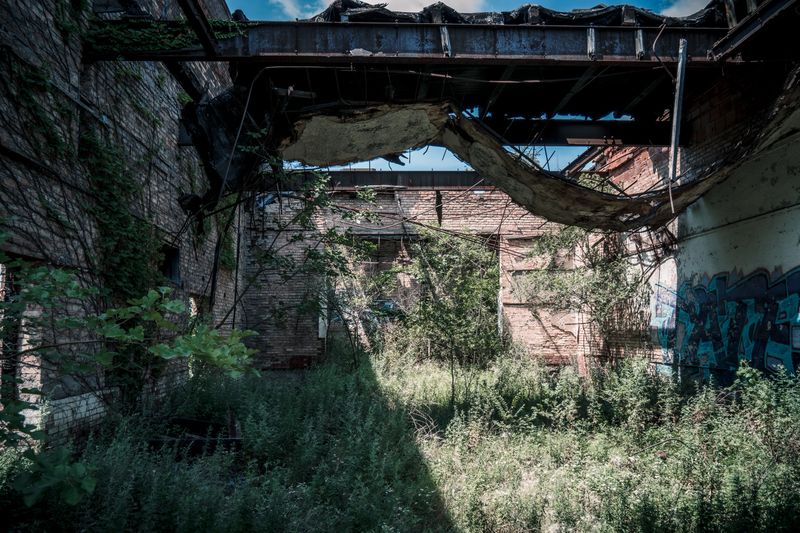
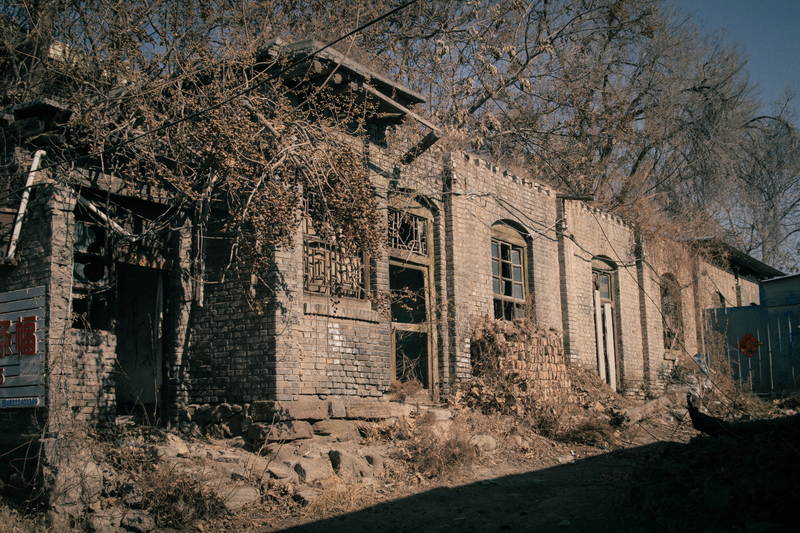
A club that closes leaves a large single-storey building on land that is usually worth more empty. Redevelopment is frequently the only option a committee can afford to take.
Some have survived by opening membership widely, letting rooms to community groups, or becoming music venues on the strength of their existing stages and licences.
What is hard to reproduce is the ownership. Buying a drink somewhere you part-own is a different relationship from being a customer, and very few remaining places offer it.
Questions readers ask
Can you still get film developed?
Yes, through specialist labs and some mail-in services, and availability has improved slightly with renewed interest in film. Prices are considerably higher than in the mass-market era.
Why did photo shops disappear so quickly?
Digital cameras removed both the film and the processing step at once. When the product is a delay you have eliminated, there is nothing left to sell.