Places
The Pub With Rooms And The Towns That Housed Travellers
Inns combined stabling, food and beds because journeys were limited by how far a horse could go, and the building plan still visible today encodes that daily range.
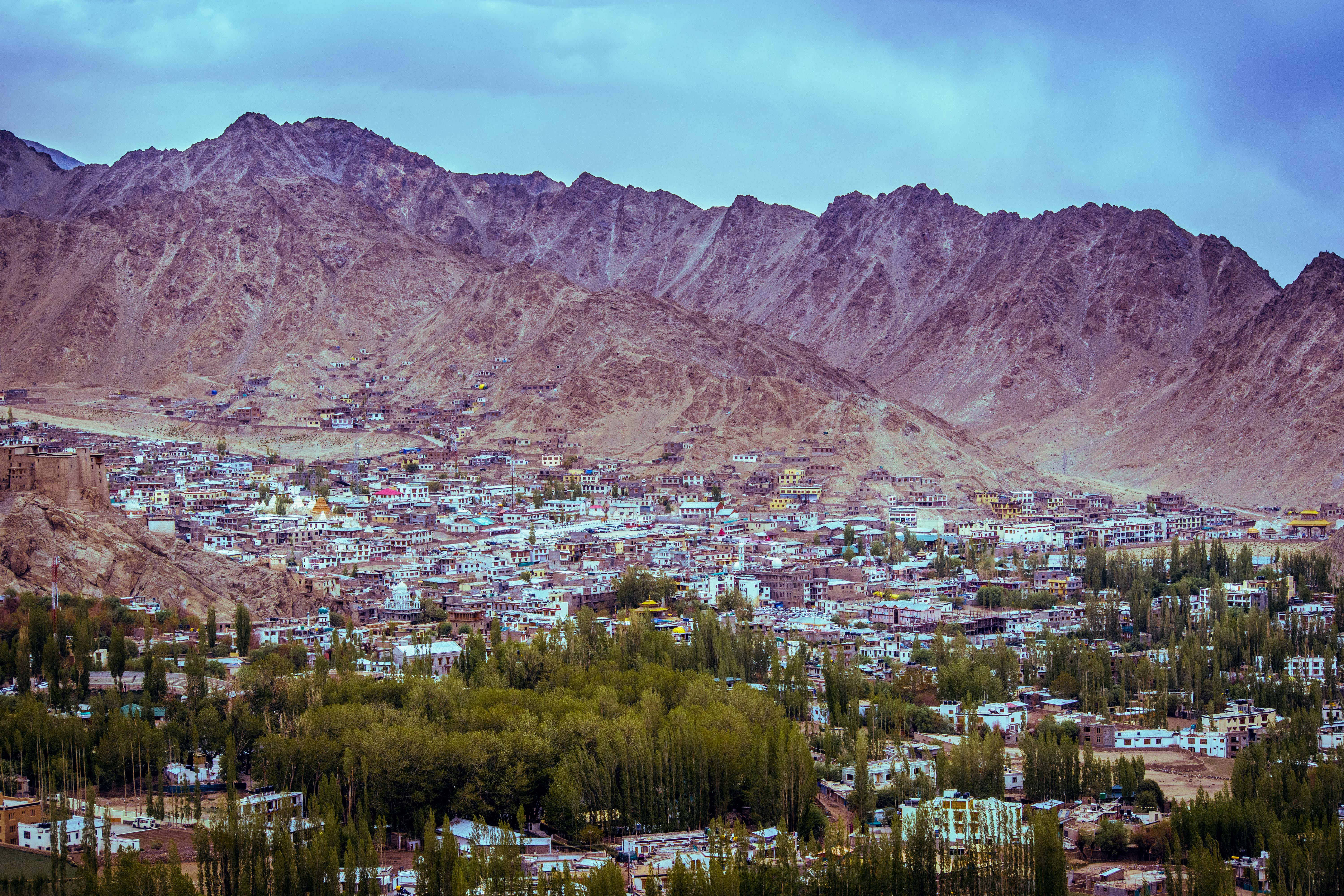
The old coaching inn combined a bar, a kitchen, stabling and bedrooms in one courtyard building. That combination was dictated by how far a horse could travel in a day.
The spacing of inns was a physical measurement
Horses need rest, feed and water at regular intervals, which sets a practical daily range. Inns appeared at roughly that spacing along main routes because a traveller had no alternative.
Changing teams shortened journeys further, so busy routes kept fresh horses at intervals. The inn was therefore a depot as much as a hostelry.
Towns grew around those intervals. A settlement positioned at a natural stopping distance received trade automatically, and many market towns owe their size to that geometry.
The building plan follows the function
The archway through the frontage exists to admit a coach into a rear courtyard. It is too narrow for modern vehicles and too prominent to remove, which is why so many survive.
Stables and coach houses lined the yard, with accommodation above and the public rooms at the front. Every part of the plan served one arrival sequence.
Kitchens ran long hours because arrivals were unpredictable. Feeding travellers at odd times was an ordinary expectation rather than an inconvenience.
The railway removed the reason and left the building
Rail travel collapsed the journey time between towns, so overnight stops on short routes stopped being necessary. Coaching traffic fell away quickly once lines opened.
Inns adapted by leaning on the bar and the dining room, serving locals rather than travellers. The bedrooms became secondary and often fell out of use entirely.
Where the railway station was built away from the old road, the inn found itself in the wrong part of town, which explains some otherwise puzzling survivals and closures.
Motoring produced a partial revival
Cars restored road journeys and with them a demand for roadside accommodation, though at different intervals because a car's range is not a horse's.
Old inns on trunk roads did well until bypasses removed the passing traffic, at which point the same building lost its custom for the second time in a century.
Purpose-built motels and chain hotels then took the roadside trade, being cheaper to run and standardised in a way an ancient courtyard building cannot be.
Why the rooms are coming back
Letting bedrooms above a pub adds revenue without adding much cost, since the kitchen, staff and licence already exist. Many pubs have reopened rooms for exactly that reason.
The economics now favour it because accommodation booked online reaches travellers directly, which a small operator previously had no practical way of doing.
So the building is returning to its original combination of uses, driven by a distribution change rather than by any revival of how people travel.
Questions readers ask
Can you still get film developed?
Yes, through specialist labs and some mail-in services, and availability has improved slightly with renewed interest in film. Prices are considerably higher than in the mass-market era.
Why did photo shops disappear so quickly?
Digital cameras removed both the film and the processing step at once. When the product is a delay you have eliminated, there is nothing left to sell.