Places
The County Fairgrounds And The Week A Region Gathered
Fairgrounds sit empty most of the year because they were built for a single annual event that assembled an entire county in one place at one time.
Nearly every American county has a fairgrounds, and for most of the year it is a fenced field with sheds on it. The buildings exist for one week.
The fair was an agricultural report meeting
The original purpose was comparison. Farmers brought livestock and produce so that quality could be judged against neighbors, and the judging spread practical information about methods.
That function required everyone to be present at once. Standards cannot be compared by mail, and the animals had to be physically walked into a ring.
The competitive framing was the mechanism, not the point. A ribbon was the visible outcome, and the transfer of technique between farms was the actual product.
The buildings reflect a single week of use
Fairgrounds architecture is unusual: long open-sided barns, a grandstand facing a dirt track, a large exhibition hall with no interior partitions and few windows.
Each structure is built for maximum flexibility and minimum finish, because it must accommodate cattle, quilts, a concert and a demolition derby depending on the day.
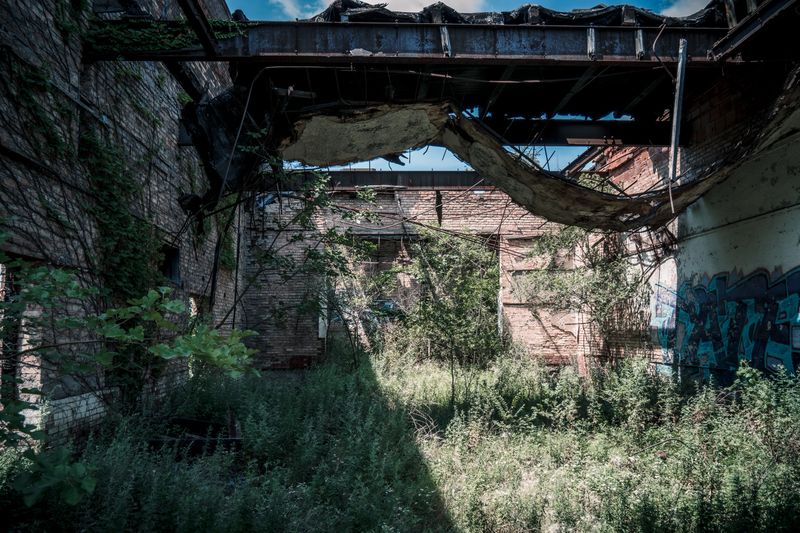
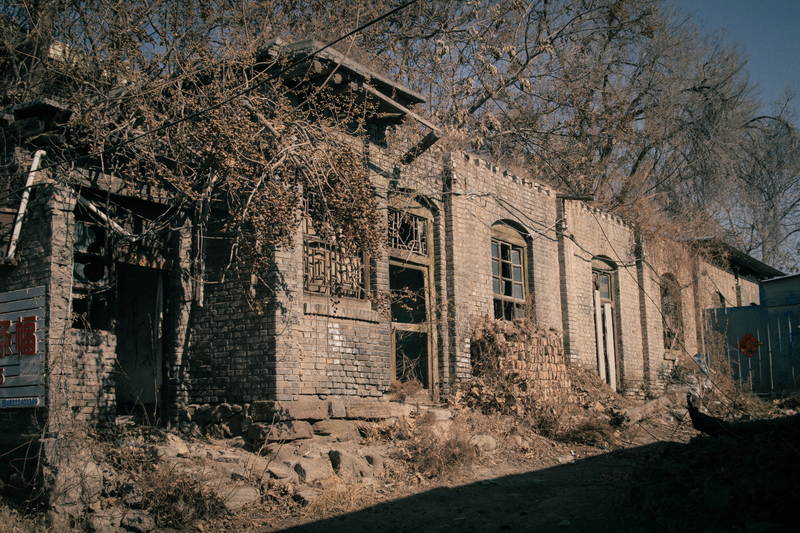
That is also why the sites look abandoned in February. A building designed for one week of crowds looks wrong when it is empty, even though empty is its normal state.
Youth programs kept the agricultural core alive
Livestock projects run by young people became the backbone of the animal exhibits in many counties as the number of working farms fell.
The structure is demanding: an animal raised over months, records kept, and a public judging at the end with a sale that closes the project.
It is one of the few remaining activities where a teenager's year of work is evaluated in front of the whole county rather than by a teacher alone.
The midway paid for the rest
Rides, games and food vendors are typically supplied by a traveling carnival company under contract, and they generate the revenue that supports the agricultural side.
That arrangement lets a county with limited resources produce a large event without owning equipment or employing anyone beyond a small year-round staff.
It also means the loudest and most visible part of the fair is the part that is not local. The carnival arrives, operates, and leaves for the next county.
Fewer people have a reason to attend
As agriculture consolidated, the share of a county's population with a direct connection to farming shrank considerably. The fair became a regional entertainment event with an agricultural exhibit attached.
Many fairgrounds now host gun shows, flea markets, rodeos and emergency staging to fill the calendar and cover maintenance on structures that were never meant to earn year-round.
What has not been replicated is the original effect: a fixed week when a whole county, across every occupation and age, was reliably in the same place.
Questions readers ask
Can you still get film developed?
Yes, through specialist labs and some mail-in services, and availability has improved slightly with renewed interest in film. Prices are considerably higher than in the mass-market era.
Why did photo shops disappear so quickly?
Digital cameras removed both the film and the processing step at once. When the product is a delay you have eliminated, there is nothing left to sell.